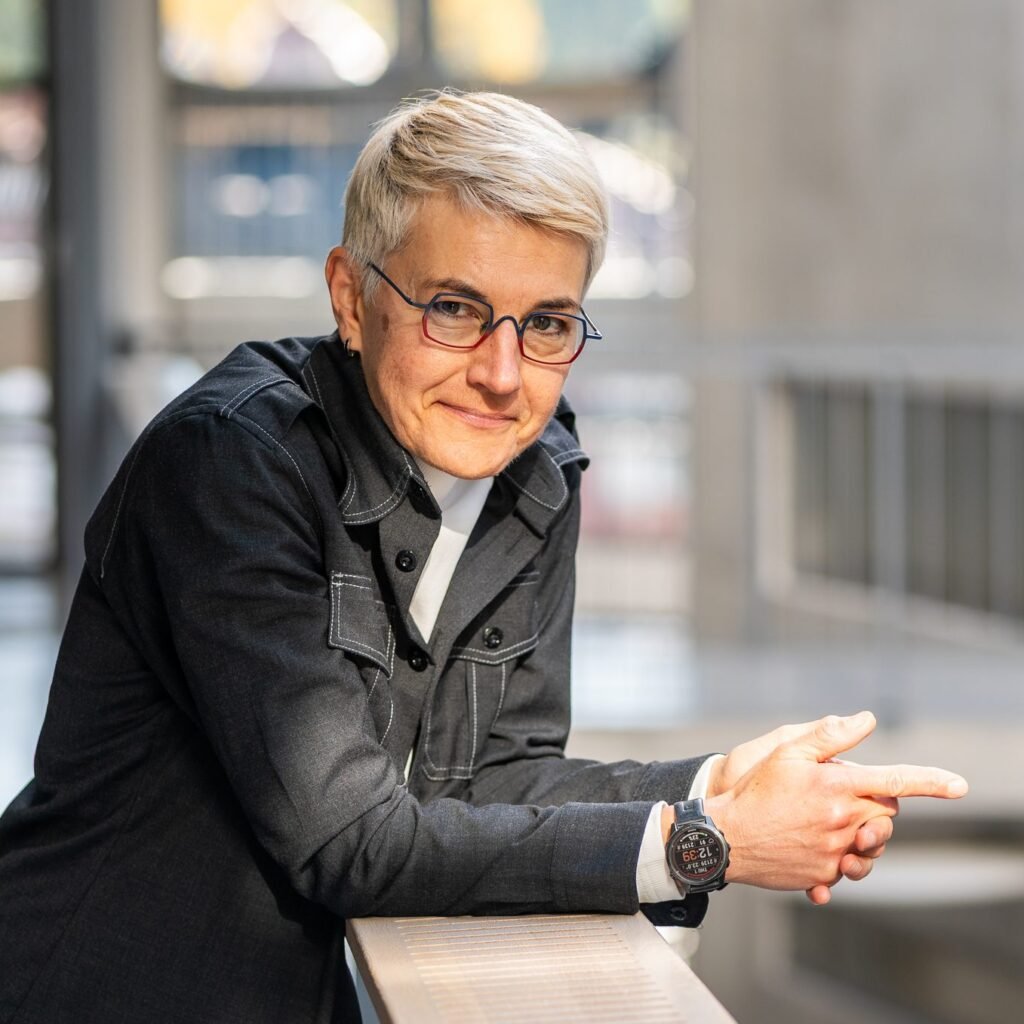
For as long as I can remember in my adult life, I have wondered about meaning.
Humans have bodies, and bodies experience things. These experiences make us feel, and our feelings are not something we can simply control at will. We experience them, and they animate our existence. We are, in many ways, nothing without our feelings.
We know that feelings arise from psychobiochemical processes, perhaps infinitely complex configurations of our bodies’ responses to external stimuli. But somewhere at the outer edges of psychology and chemistry, thoughts emerge. Thinking and cognition are not reducible to our biological responses and feelings, because thought is also imaginative. Unlike our bodies, our thoughts are not bound by the physical. Thoughts are free. To think, is to imagine.
And it is this freedom of imagination that has given us the concept of meaning.
Our thoughts, made up of words, images, and sensations, are always abstractions shaped by our past and present experiences. They are particular to us, which means that no two experiences of meaning are quite alike. Meaning does not simply translate our observations of the world and our experiences of it into something our brains can use to determine our next move. It also allows us to become, to some extent, masters of our bodily feelings.
Meaning, then, is not only about predictive instrumentality, although that is certainly part of it. It is also about creation and imagination. Indeed, meaning is itself an act of creation. We are not merely creatures shaped by psychobiochemical processes or by our cognitive interpretations of what we observe and feel. We are also creatures of meaning.
But how, exactly, does this imagination-driven creation of meaning connect our inner selves to the world?
It took me a while to find an opportunity to explore this question beyond intuitive reflection.
For the better part of my adult life, I was busy carving out my path through the business world. Particularly in the mid-1990s, but also in the years that followed, I was finding new ways of doing things, always with an instrumental purpose. A tech-savvy, hands-on approach to business processes helped move things forward, first at Lincona, Estonia’s largest importer and retailer of flooring materials, and later as an independent entrepreneur at Upgrade Ltd.
Yet behind this drive to build something was another, more personal drive: the desire to do something unfamiliar. Because, few things compare with the enjoyment of innovation. Not only solving existing problems, but anticipating problems by figuring out what might be missing or what does not yet exist, was obviously immensely satisfying. During two decades, there was always something new to build, explore, or improve, leaving little time for anything else.
So, academia entered my life quite late. And even when it did, it took a few years for me to grasp its breadth, which gradually opened up to me.
Today, I explore questions of meaning within existentialist-informed ethical frameworks, seeking to make sense of the human condition in its social and, consequently, political context. Truth be told, this work has also expanded the way I think about business and technology. Ethics, philosophy, business strategies, tech, and day-to-day business operations each help us make better sense of one another.
I currently work as a part-time lecturer at Tallinn University and will defend my PhD thesis, Virtue, Creativity, and Ethos in Normative Political Thought, in mid-December 2026.
Alongside my academic work, I help businesses develop and improve their online presence as a web developer. With more than 20 years of hands-on web development experience, I bring not only technical and design skills but, more importantly, an understanding of the particular needs of each business and the people behind it. I try to understand how a business works, what it needs, and how technology can help it move forward. My background in philosophy, together with a habit of taking whatever I do seriously, is an asset in this work, too.
Check out my work history, educational journey, doctoral dissertation, and scholarly publications.